Exploring the Rich Background and Culture Surrounding Liquor Around The Globe
The history of Liquor is an intricate narrative woven with various societies and eras. From ancient Chinese rice wines to Sumerian barley beer, each region has actually left its mark on fermentation methods. These drinks have served not only as sustenance however additionally as indispensable elements of routines and celebrations. As craft distilling gains appeal today, one might question how these historical customs affect contemporary practices and what innovations are arising in this old-time craft.
The Beginnings of Fermentation: Ancient Practices and Early Moods
Although the exact origins of fermentation remain shrouded in secret, proof recommends that old people individually uncovered the process, triggering some of the earliest spirits. Historical searchings for indicate that fermented drinks day back to as very early as 7000 BCE in regions like China, where rice, fruit, and honey were incorporated to create very early alcoholic beverages. Similarly, in Mesopotamia, the Sumerians developed beer from barley, which is documented in ancient messages and rituals.
These very early approaches of fermentation were typically accidental, as all-natural yeasts engaged with sugars in food sources, generating alcohol. The procedure swiftly came to be integral to social norms, with various societies fine-tuning techniques and ingredients with time. From the Egyptians' usage of barley to the Andean peoples' chicha made from maize, these very early spirits not just offered as nutrition but likewise as a means of social bonding, preparing for the varied Liquor traditions that would certainly adhere to.
Liquor in Parties and rituals: A Social Perspective
Liquor plays a considerable function in numerous rituals and parties across cultures, often working as a symbol of unity and reverence. Sacred libations are generally supplied in events, signifying respect and gratefulness to greater powers. Furthermore, salutes throughout celebratory events promote a feeling of community and shared joy, highlighting the social significance of these drinks.
Spiritual Libations in Ceremonies
Throughout history, various societies have actually incorporated spiritual libations right into their events and routines, identifying the profound value of these beverages in noting vital life events. In numerous Native traditions, offerings of Liquor are made to recognize forefathers and deities, symbolizing thankfulness and link to the spiritual dimension. In Hindu events, for instance, offerings of rice white wine or other spirits are indispensable to rituals, standing for purification and blessing. In old Greek society, red wine was poured as a tribute throughout festivals committed to gods like Dionysus, commemorating fertility and festivity. These sacred libations offer as conduits between the spiritual and physical worlds, fostering community bonding and the expression of social identification with shared experiences and collective memory.
Toasts in Commemorative Occasions

Regional Variations: Purification Techniques Throughout Continents
Across the globe, distillation techniques vary considerably, mirroring the distinct cultural methods and resources of each area. In Asia, conventional methods commonly highlight fermentation and neighborhood components, while European craft distillation concentrates on precision and heritage. At the same time, the Americas showcase their own unique techniques, blending development with indigenous techniques to create a varied selection of spirits.
Conventional Approaches in Asia
While several regions in Asia brag rich practices of Liquor production, the methods of purification differ considerably, reflecting local custom-mades and offered resources. In China, as an example, the production of baijiu makes use of a distinct fermentation process including sorghum and a solid-state purification approach, which identifies it from other spirits. Japan's sake-making concentrates on rice and uses a twin fermentation strategy that results in a distinctly smooth flavor account. In Southeast Asia, nations like Thailand and Vietnam often generate rice-based spirits like lao khao and ruou, making use of traditional pot stills that highlight artisanal craftsmanship. These varied methods not only highlight local active ingredients yet also maintain cultural heritage, showcasing the detailed relationship between Liquor manufacturing and local identity throughout the continent.
European Craft Purification
European craft purification showcases a varied array of techniques that mirror the continent's rich social heritage and neighborhood sources. In countries like Scotland, traditional pot stills produce unique solitary malts, while Italy embraces column purification for its high-quality grappa. France is understood for its artisanal method to cognac and armagnac, highlighting the value of terroir giant eagle liquor in taste advancement. Eastern European nations typically use one-of-a-kind active ingredients, such as rye and fruits, in their vodka manufacturing, maintaining age-old dishes. The revival of craft distilleries across Europe has brought about ingenious practices, mixing old approaches with modern tastes, thereby enriching the craft spirit landscape. These local variants contribute to a vivid tapestry of European Liquor traditions, valued by lovers worldwide.
One-of-a-kind Methods in Americas
The Americas boast a wide array of purification methods, they are often identified by unique regional influences and regional ingredients. In the USA, bourbon manufacturing counts greatly on corn, with a details aging procedure in charred oak barrels, resulting in an abundant flavor account. On the other hand, in Mexico, the production of mezcal showcases making use of agave, employing traditional methods such as toasting the piñas in below ground pits, which presents a distinct smokiness. South America presents its own variations, with cachaça from Brazil being distilled from fresh sugarcane juice, using a fresh and vibrant taste. Each technique mirrors the social heritage and agricultural practices of the area, contributing to the diverse landscape of Liquor manufacturing throughout the continent.
The Function of Liquor in Social Gatherings and Community Life
Liquor has long worked as a stimulant for social interaction, enhancing and promoting links community bonds. Throughout numerous cultures, shared drinking experiences commonly indicate friendliness, celebration, and the building of connections. In many cultures, events rotate around the intake of Liquor, whether during events, family members reunions, or casual meet-ups.
In settings such as clubs, red wine storages, and regional distilleries, the act of appreciating a drink with each other produces an ambience of camaraderie. Typical toasts and routines improve these experiences, noting turning points and honoring common histories. For some areas, details alcohols symbolize cultural identification and heritage, reinforcing social cohesion.
Liquor can facilitate conversations and bridge splits, allowing individuals from varied backgrounds to connect. Ultimately, the function of Liquor in social events goes beyond plain usage, symbolizing a deeper significance in neighborhood life and human link.
The Development of Liquor Production: From Craft to Market
As the need for diverse alcoholic beverages has increased globally, the advancement of Liquor production has actually moved from small-scale craft approaches to large commercial procedures. Historically, Liquor was generated by craftsmens utilizing standard methods, stressing neighborhood ingredients and distinct tastes. This craft approach enabled a personal touch, often resulting in distinctive local spirits.
Nevertheless, the surge of globalization and technical improvements led to the commercialization of Liquor production. Huge distilleries emerged, utilizing automation and mass production techniques to fulfill consumer needs efficiently - Liquor Store near me. This adjustment enabled regular quality and more comprehensive circulation, transforming Liquor right into a commonly available item
Regardless of the industrialization of Liquor production, a counter-movement has arised, with many consumers seeking genuine, handmade spirits. This has triggered a rebirth in craft distilling, merging typical techniques with modern advertising and marketing techniques, as manufacturers intend to accommodate a discerning customers while managing the intricacies of a global market.
Modern Trends and Innovations in the Globe of Spirits
With the expanding interest in one-of-a-kind taste accounts and lasting techniques, the spirits sector is experiencing a wave of modern trends and advancements. Craft distilleries are increasingly try out regional active ingredients, creating unique spirits visit the website that reflect local characteristics. This pattern stresses credibility and narration, enabling customers to link with the item on a personal degree.
Furthermore, modern technology plays a substantial role in the advancement of spirits production. Advances in purification methods and flavor removal methods enable manufacturers to refine their offerings, improving top quality and consistency. The surge of ready-to-drink alcoholic drinks and low-alcohol choices accommodate health-conscious consumers, mirroring changing preferences in drinking culture.
Sustainability is an additional focal factor, with many brands taking on environment-friendly product packaging and manufacturing approaches. By focusing on ecological duty, distillers not just interest an aware customer base but additionally contribute to a much more sustainable future for the spirits market.

Often Asked Inquiries
What Are the Health And Wellness Impacts of Modest Liquor Consumption?
The wellness effects of modest Liquor intake can consist of prospective advantages such as enhanced heart health and wellness and social bonding, while likewise presenting dangers like boosted opportunities of certain cancers cells and liver concerns if intake goes beyond suggested limitations.
How Has Liquor Influenced Global Profession and Economic Situation?
Liquor has actually substantially affected worldwide trade and economy by fostering worldwide business, developing tasks in manufacturing and distribution, and contributing to tax earnings. Its need drives farming fields, shaping economic partnerships among generating and consuming nations.
What Function Do Ladies Play in the Liquor Industry?
Exist Eco Lasting Practices in Liquor Production?
Environmental sustainability in Liquor manufacturing is significantly focused on. Producers take on practices like organic farming, water conservation, and waste reduction. These initiatives intend to mitigate ecological influences while promoting responsible consumption and sustaining regional areas in their techniques.
Just how Do Legislation Around Liquor Vary by Country?
Legislations regulating Liquor differ substantially by nation, affected by cultural, religious, and historical variables. Some nations enforce rigorous laws on manufacturing and sales, while others adopt even more liberal strategies, showing diverse societal mindsets towards alcohol usage.
While numerous regions in Asia brag rich practices of Liquor find production, the methods of distillation vary substantially, showing neighborhood custom-mades and available sources. As the need for diverse alcoholic drinks has raised around the world, the advancement of Liquor manufacturing has actually changed from small-scale craft methods to large industrial processes. Regardless of the automation of Liquor production, a counter-movement has actually emerged, with several customers seeking genuine, handmade spirits. Liquor has actually significantly affected worldwide profession and economy by promoting worldwide business, developing work in manufacturing and distribution, and adding to tax obligation profits. Ladies play a significant duty in the Liquor market, contributing to production, monitoring, and advertising and marketing.
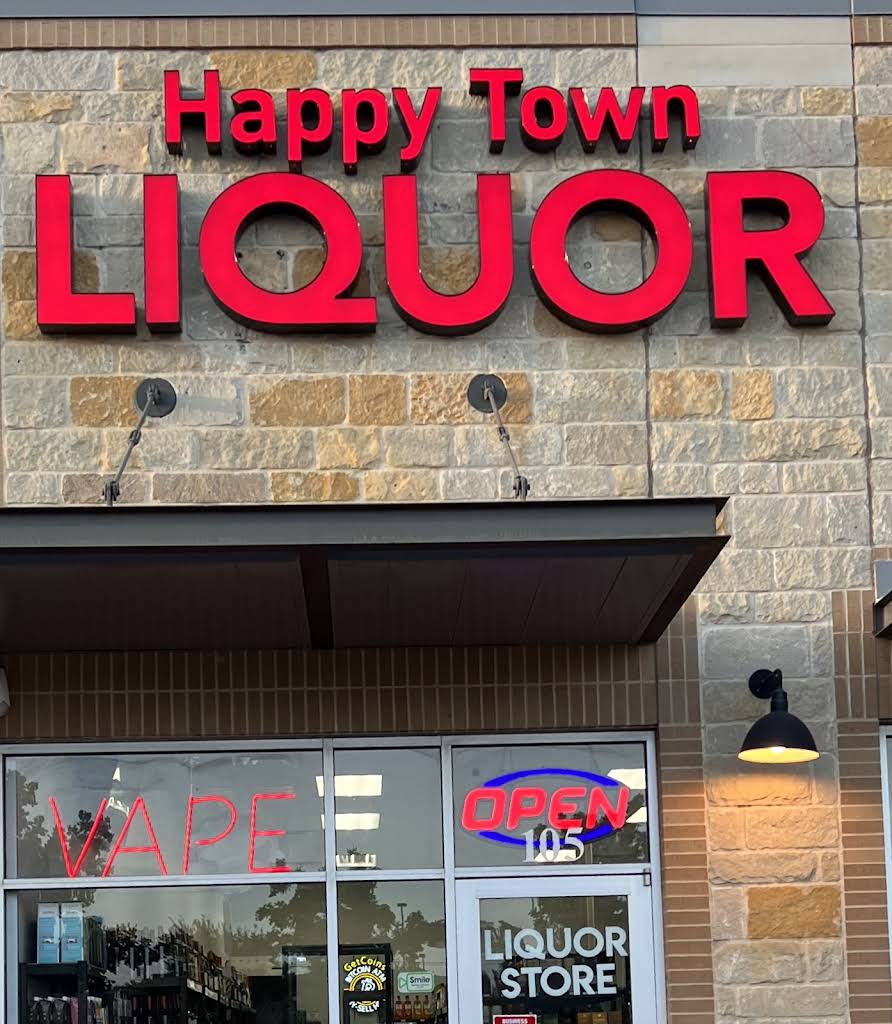
Comments on “A Liquor Store in Pflugerville That Locals Recommend for Service”